December 30, 2025
Understanding the basic principles of plumbing and essential maintenance practices can prevent costly repairs and extend the life of your plumbing system. In this article, we will explore key plumbing tips that every homeowner should be aware of to maintain their home’s efficiency and safety. Plumbing systems are a critical component of home infrastructure, playing a vital role in daily convenience and health. Knowing how to handle minor tasks and identify potential issues early can save you time, money, and stress. This article serves as a comprehensive guide to empower homeowners with essential knowledge about household plumbing.
1. The Basics of Your Home’s Plumbing System
The layout of your water pipes is the backbone of your home's plumbing system. Knowing the locations of water supply lines and drainpipes is crucial for troubleshooting and conducting routine maintenance. Ensure you have a plumbing schematic of your home, which can be obtained from your home builder or local zoning office. This schematic helps you pinpoint areas of potential concern, especially in old homes where pipes may have deteriorated over time. Familiarity with your pipe layout can prevent mishaps during renovations or when drilling into walls.
Every homeowner should know the location of the main water shut-off valve. It's usually located where the water line enters the house, often in the basement or on an outside wall. In an emergency, such as a burst pipe, turning off the main valve quickly can prevent water damage. Practice turning it on and off to ensure it operates smoothly when needed. Familiarizing yourself with this valve could save you time in a crisis, minimizing potential repair costs significantly.
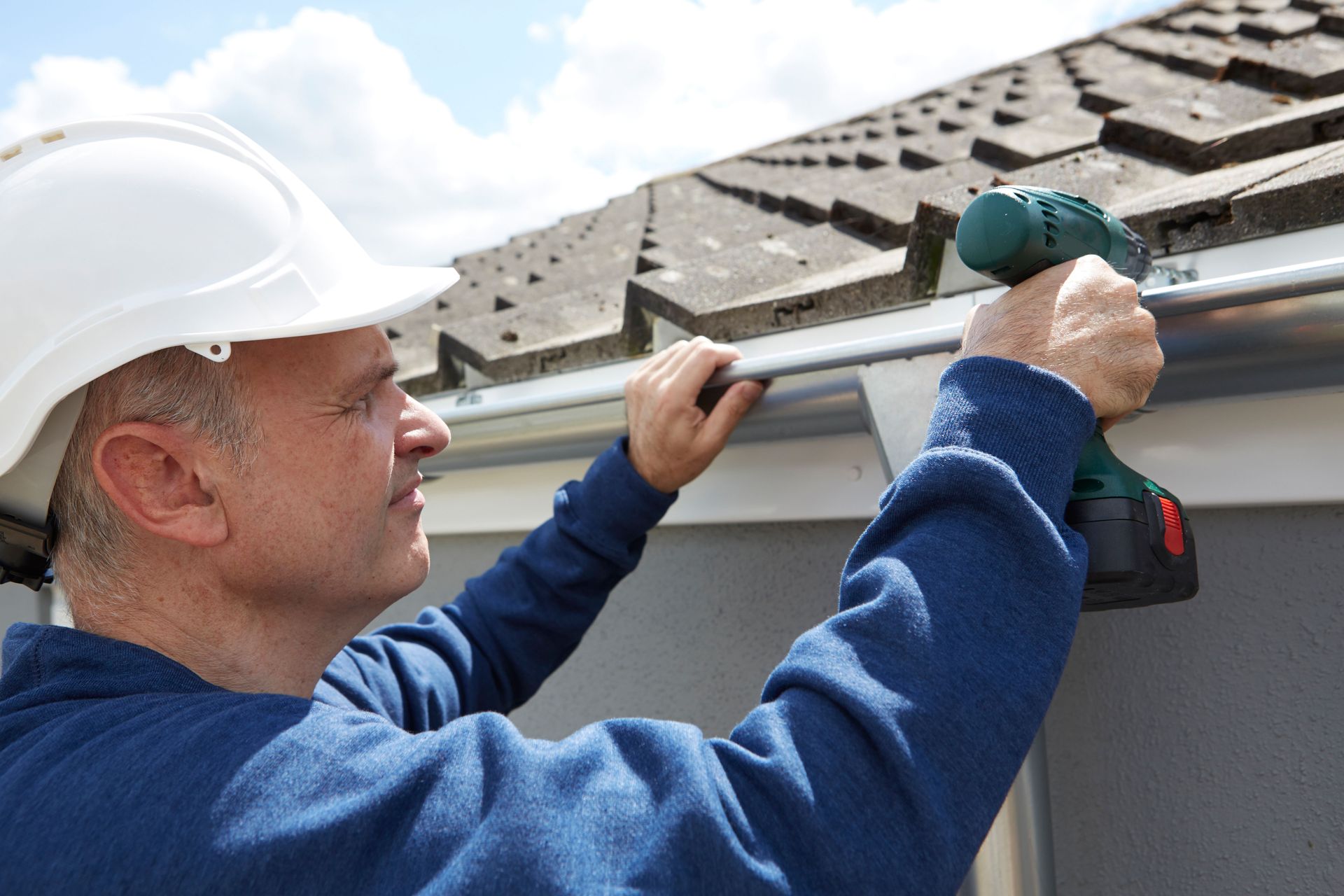
Vent pipes play a critical role in your plumbing system by preventing sewer gases from entering your home and maintaining proper pressure in the waste pipes. They extend above your roof, connecting to the drainpipes within the house. Regular inspection for blockages is advisable, especially after heavy storms. Blocked vents can lead to slow drains and unpleasant odors. Understanding their function highlights their importance and helps identify the cause if issues arise.
2. Essential Tools Every Homeowner Should Have
Plungers are the first line of defense against clogs in sinks and toilets. A quality plunger can effectively create the suction needed to clear blockages gently. Opt for a plunger with a sturdy handle and a rubber flange, as it offers a better seal and is more durable than simple cup plungers. Regular use of a plunger can help prevent major clogs and is an essential tool for every homeowner. It's a simple yet powerful tool that saves both time and the cost of hiring a plumber for minor issues.
An adjustable wrench is versatile, allowing you to tackle various plumbing tasks. It's invaluable for tightening or loosening nuts and bolts on pipes and fixtures. Choose a wrench of good quality with a comfortable grip to work efficiently without straining your hands. This tool is compact and easy to store, making it a staple in your toolbox. Having it on hand ensures you can perform preventive maintenance and minor repairs yourself without delay.
Pipe wrenches are used specifically for pipes and fittings, providing extra leverage and grip. Available in different sizes, they are essential for dealing with threaded pipe connections. Use a pipe wrench alongside an adjustable wrench to hold pipes steady while applying torque. Proper handling prevents damage to your pipes and ensures the connection remains secure and leak-free. This tool is particularly effective in areas where corrosion and substantial force are involved.
3. Preventative Maintenance Strategies
Leak inspections should be a routine part of your home maintenance plan. Undetected leaks can lead to significant water waste, structural damage, and mold growth. Regularly check under sinks, around toilets, and in basements for signs of leaks or water damage. Immediate attention to leaks saves water, reduces utility bills, and avoids costly repairs down the road. Employ tools like a moisture meter to detect hidden leaks behind walls and under floors.
Aerators and showerheads can easily become clogged with mineral deposits, reducing water flow and efficiency. Routine cleaning involves removing these fixtures and soaking them in vinegar to dissolve build-up. This simple step improves water pressure and extends the lifespan of the fixtures. Maintaining clean aerators and showerheads also enhances the quality of water flow in your home. During the cleaning process, inspect for any damage and replace parts as necessary.
Frozen pipes can crack or burst, causing significant water damage. Insulate exposed water pipes, especially in unheated areas such as basements and attics. During extreme cold, keep faucets slightly open and maintain a steady flow of water to prevent freezing. Open cabinet doors to allow warm air to circulate around plumbing. These preventive measures not only protect your home but also conserve water and reduce repair expenses related to pipe damage.
4. Common Plumbing Problems and Solutions
Low water pressure can stem from various causes, such as clogs, pipe corrosion, or issues with the municipal water supply. Begin by checking your main water valve to ensure it's fully open. Clean faucet aerators and showerheads, as build-up can restrict flow. If the problem persists, inspect pressure-reducing valves or call a plumber to investigate deeper issues like pipe corrosion. Addressing low water pressure early keeps your plumbing system in optimum condition.
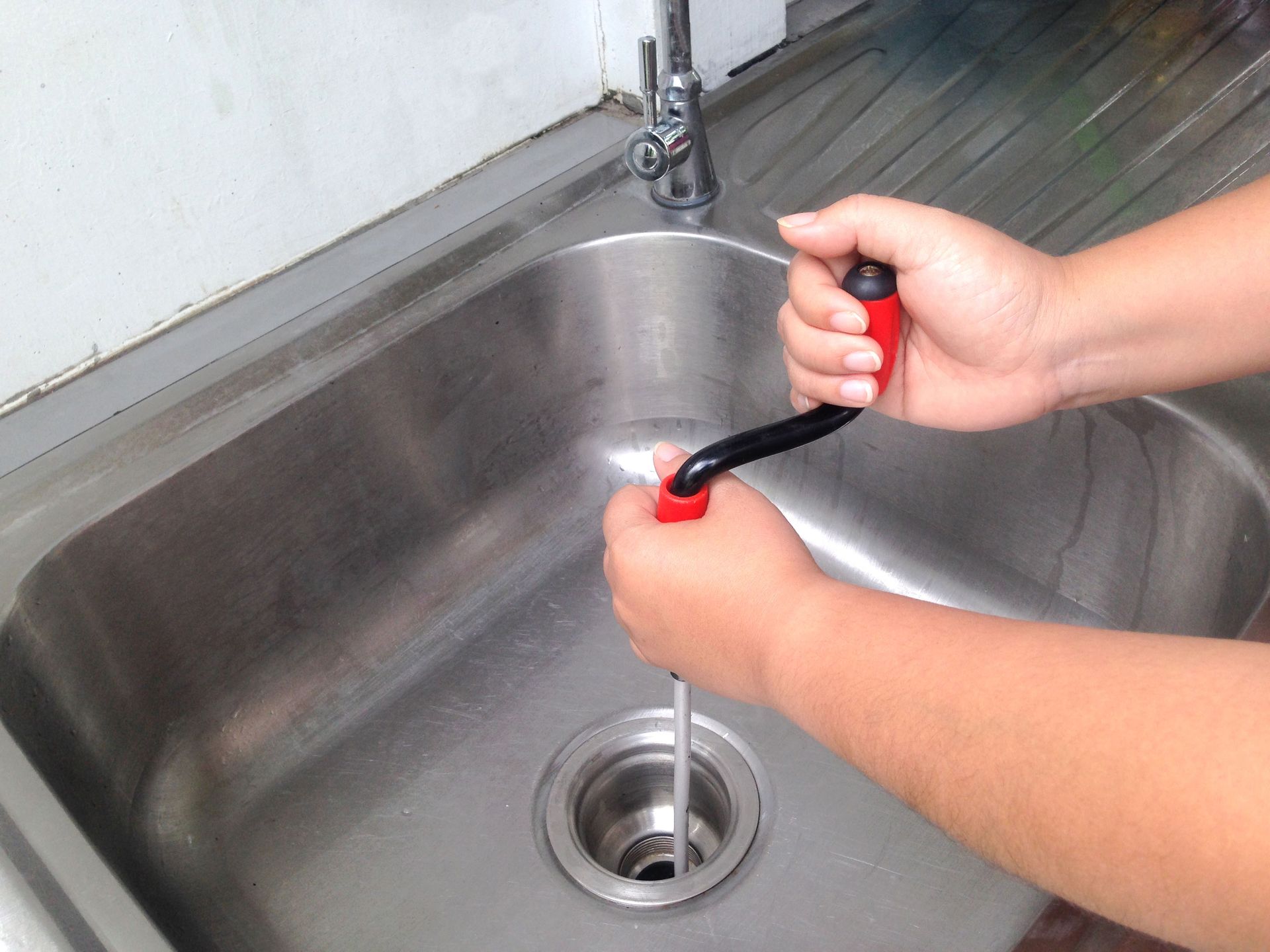
Slow-draining sinks are often caused by build-up from hair, grease, or debris within the pipes. Initially, try using a plunger or a plumbing snake to clear minor clogs. For persistent issues, a mixture of baking soda and vinegar can effectively break down organic materials without harsh chemicals. Prevent future clogs by installing a drain guard and regularly flushing drains with hot water. Prompt attention to slow drains helps maintain flow and prevents worse blockages from developing.
Leaky faucets typically result from worn washers or seals within the tap. Begin by tightening the faucet, if still dripping, disassemble to inspect these components. Replace damaged parts with those suitable for your faucet model. Repairing leaks prevents water waste and maintains home aesthetics. According to Workyard, globally, the paint and coating industry was valued at approximately $217.36 billion in 2024, illustrating the growing focus on maintaining and protecting home features, including plumbing fixtures.
5. Environmentally Friendly Plumbing Tips
Low-flow fixtures, such as faucets and showerheads, significantly reduce water usage without compromising performance. By allowing less water flow, these fixtures conserve resources while lowering utility bills. Implementing environmentally friendly fixtures aids in sustainable living, aligning with broader conservation goals. Replace old, inefficient models to take full advantage of modern technology. This simple upgrade contributes to a significant reduction in water consumption across the home.
Tankless water heaters are energy-efficient alternatives to traditional storage tank models. They heat water on demand, reducing heat loss associated with stored hot water. Although the initial investment is higher, the long-term savings on energy costs can be substantial. Tankless units also free up space, adding to their benefits. For homeowners committed to sustainability, these heaters offer an attractive combination of efficiency and convenience.
Promptly addressing leaks is critical for conserving water and reducing waste. Even small leaks contribute to significant losses over time, increasing water bills and resource depletion. Regular inspections and immediate repairs safeguard against escalated issues and unnecessary expenses. Being proactive about leaks is an essential aspect of responsible home management. In the long run, such vigilance ensures water efficiency and helps preserve valuable resources.
By familiarizing yourself with these fundamental plumbing tips, you can manage many issues independently and know when to enlist professional help. Implementing sustainable practices and regular maintenance will not only enhance the functionality and lifespan of your
plumbing system but also contribute towards conserving resources and reducing your home’s environmental footprint. Proper plumbing knowledge empowers homeowners, reducing the frequency of unexpected issues and promoting efficient energy and water use. Turn to a professional for help when issues arise. Contact Grand Valley Repair LLC today for more information.